La Valette Boutique
Sanilhac-Sagriès, 30700 Gard, France
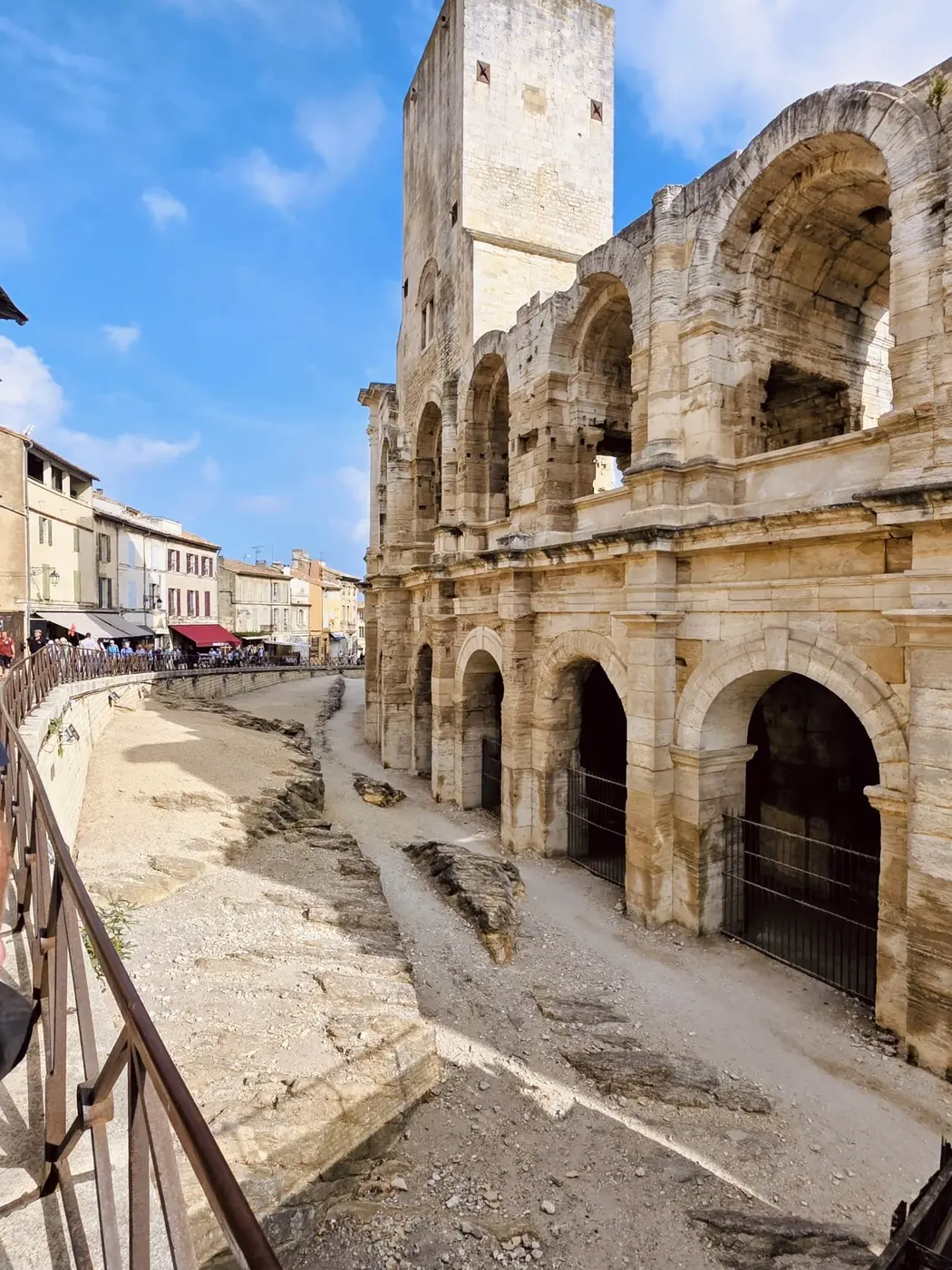
A Roman arena still in use two thousand years later, a Saturday market that fills the old town, and the streets Van Gogh painted more than anywhere else on earth. About fifty minutes from Uzès.
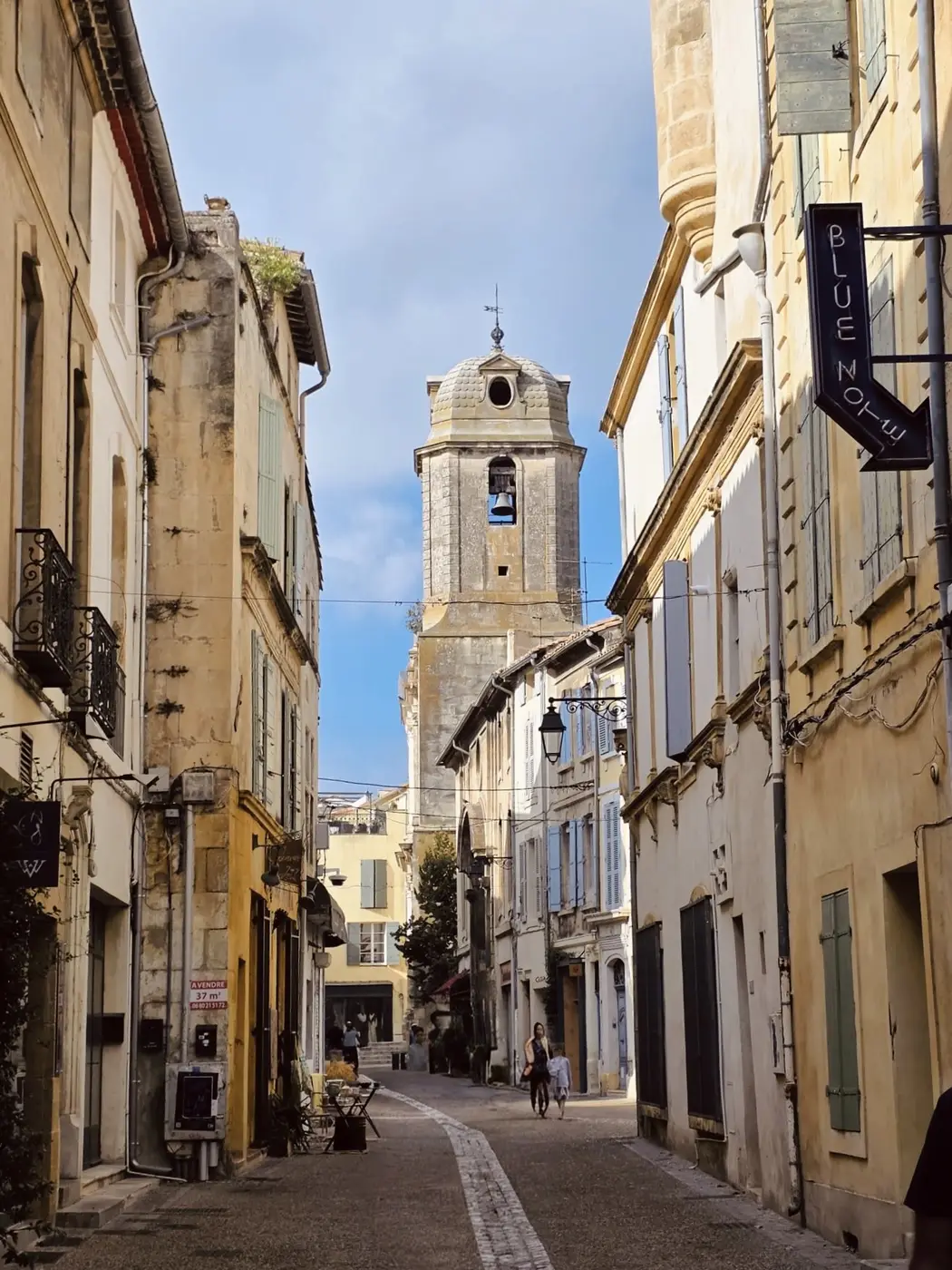
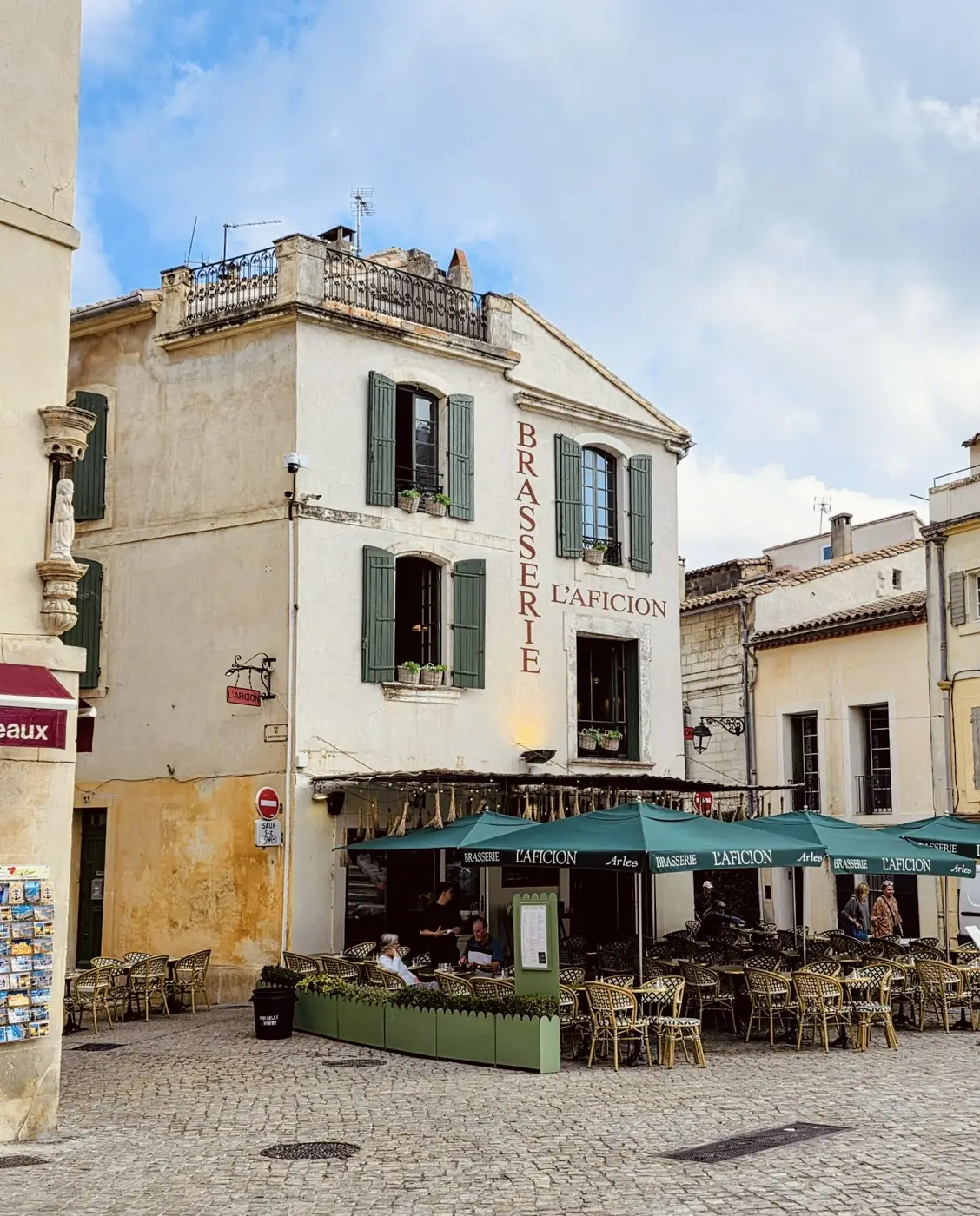
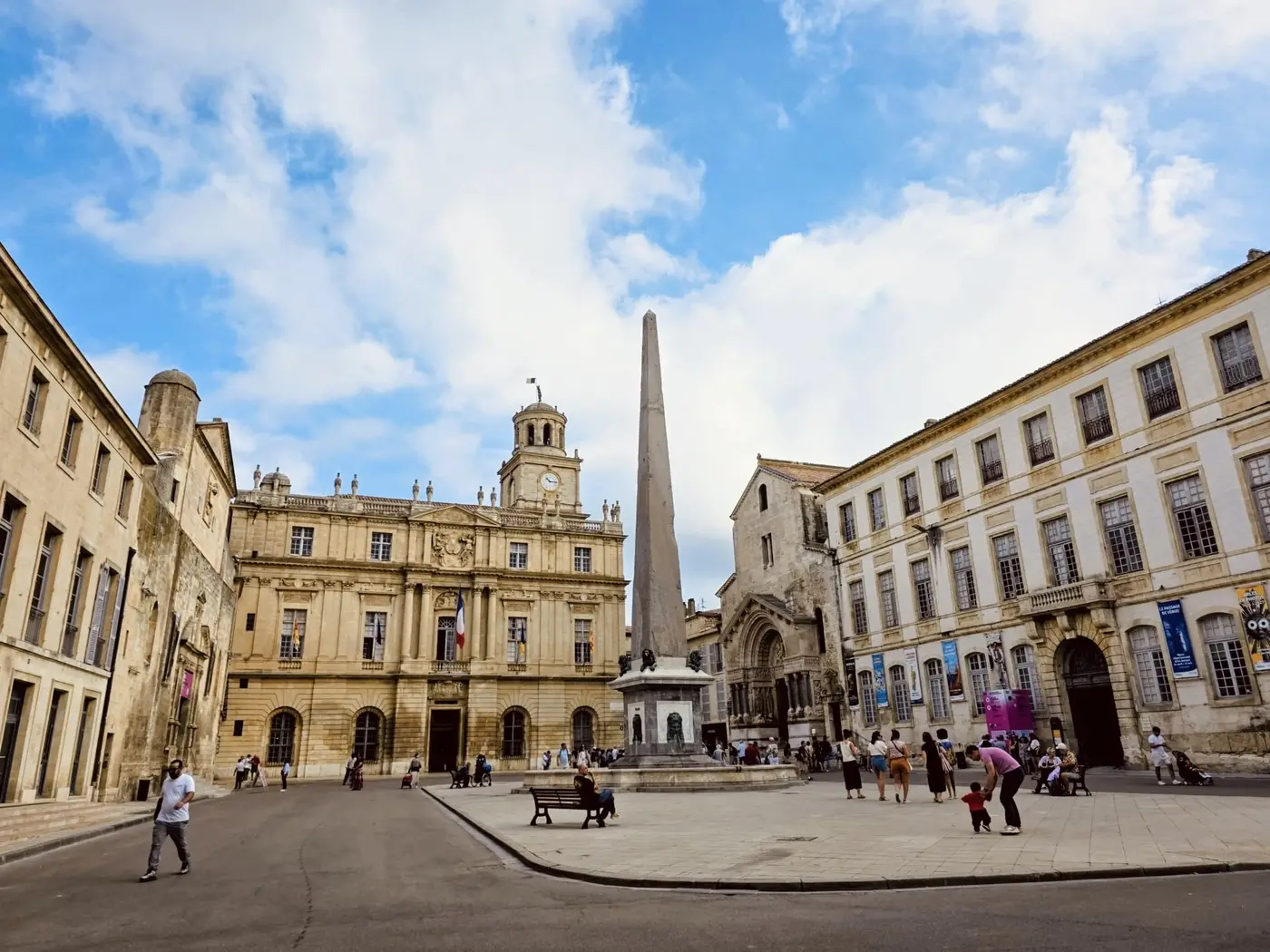
Arles is a Roman city in Provence, about fifty minutes from La Valette Boutique, where the amphitheatre and the ancient theatre still stand well enough to host events today. It is also the town where Vincent van Gogh painted some three hundred works in just over a year, drawn to a light that has not changed. The Saturday market is one of the largest and best in Provence, and the town sits at the edge of the Camargue, the wetland region of flamingos, white horses and black bulls. A single day covers the essentials; two lets you slow down.
| Location | Bouches-du-Rhône, Provence |
|---|---|
| Region | Provence-Alpes-Côte d'Azur |
| UNESCO status | World Heritage Site since 1981 (Roman and Romanesque Monuments) |
| Distance from Uzès | 51 km · about 50 min by car |
| Nearest airport | Nîmes (FNI), about 45 min |
| Typical visit | Half a day to a full day |
| Known for | The Roman arena and Vincent van Gogh |
| Market day | Saturday morning (also a smaller Wednesday market) |
| Gateway to | The Camargue, about 40 minutes further |
From fifty minutes away
We expected Roman ruins and got them, but what stayed with us was how alive the town still feels around them. The arena is not sealed off behind glass; it hosts events today the way it has for two thousand years, and the streets Van Gogh painted are still full of people living ordinary lives, not just visitors following a trail.
The market is worth planning a trip around on its own. Saturday mornings fill the boulevards around the old town with producers from across Provence, and it runs long enough that arriving mid-morning still gives you the best of it.
For current opening hours, event listings and tickets to the monuments, the official site, arlestourisme.com, is the one to check before you go.
What it is
Arles was a major Roman city, and enough of it survives to be listed as a UNESCO World Heritage Site: the amphitheatre, built around 90 AD to seat some twenty thousand people, the ancient theatre, the cryptoporticoes beneath the forum, and the Romanesque cloister and portal of the Église Saint-Trophime.
Vincent van Gogh arrived in 1888 and stayed just over a year, a period in which he painted around three hundred works, including Café Terrace at Night and Starry Night Over the Rhône. None of his original paintings remain in Arles, but the places themselves do, largely unchanged, and the Fondation Vincent van Gogh Arles keeps his connection to the town alive through exhibitions.
"The arena at eight in the morning, before the tour groups and with the stone still cool, is the version of Arles most visitors never see."La Valette Boutique, about 50 min away
Beyond the basics
When to go
Arles is busiest in high summer. The difference between an easy visit and a hot, crowded one is mostly about timing.
Warm, comfortable days for walking between sites, with the market and outdoor cafés at their best and none of the peak-summer heat.
July and August are hot and busy. Visiting the arena and the old town before mid-morning, then retreating for a long lunch, is how locals handle it.
Midday in August combines the strongest heat of the year with the most visitors. If this is your only window, prioritise shade and a slow pace over trying to see everything.
Practical information
Full day combinations
Morning at the arena and in the old town, lunch in Arles, afternoon into the Camargue for flamingos and the coast at Saintes-Maries-de-la-Mer.
Follow the self-guided trail between the real locations behind his paintings, finishing at the Fondation Vincent van Gogh Arles for its rotating exhibitions.
Both Roman cities in one day: the arena and old town of Arles in the morning, the Maison Carrée and Jardins de la Fontaine in Nîmes in the afternoon, about thirty minutes apart.
Time the trip around Saturday morning, when producers from across Provence fill the boulevards around the old town. Arrive mid-morning and stay for lunch.
Yes. It is about fifty minutes by car and combines a genuine Roman city, with a still-standing amphitheatre and theatre, and the streets and light that drew Van Gogh to paint some three hundred works there in just over a year. A half-day covers the essentials; a full day lets you add the market or a start into the Camargue.
About 51 km, roughly 50 minutes by car, most of it via Nîmes.
Not his major originals; those are held in museums elsewhere in the world. What Arles offers instead is the real locations behind the paintings, largely unchanged, and the Fondation Vincent van Gogh Arles, which holds temporary exhibitions connecting his work to the town.
Yes. The amphitheatre, built to seat around twenty thousand people, still hosts ferias, concerts and other events, much as it has for two thousand years.
The main market runs on Saturday mornings and is one of the largest in Provence. There is also a smaller market on Wednesdays.
Yes, if you start reasonably early. A morning in Arles followed by an afternoon in the Camargue, including the coastal town of Saintes-Maries-de-la-Mer, works well, though it makes for a full day.
La Valette Boutique is in the Gard, about fifty minutes from Arles and five minutes from Uzès. Two boutique apartments in an 18th-century stone house.
Enquire about your dates